

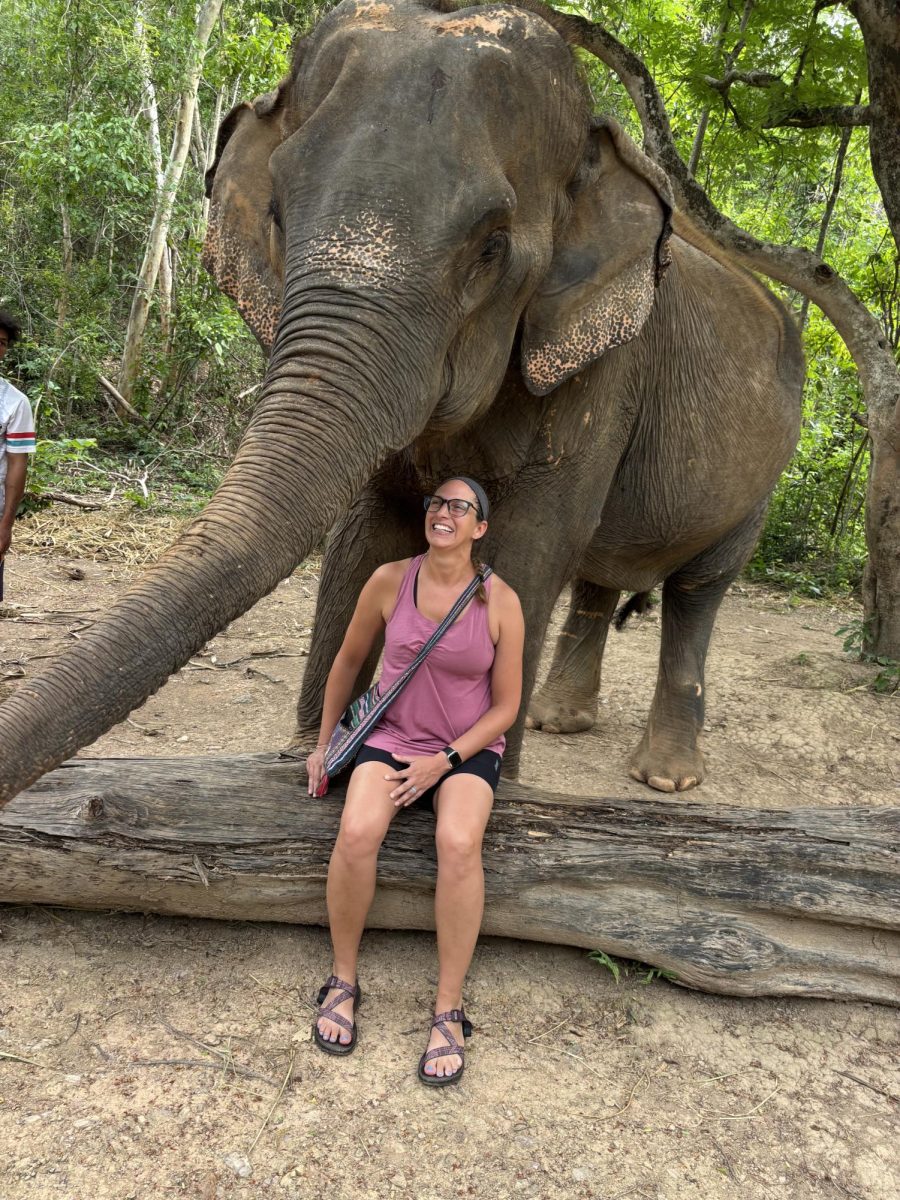
Travel used to be about getting lost in new places, trying unfamiliar foods, and coming home with stories that barely fit into a conversation. But today, travel seems different. It’s no longer just about where we go, it’s about what we post. As social media becomes the center of how we share our lives, traveling has shifted from an experience we live to content we create.
Science teacher Lynette Johnston has noticed this trend, but also believes that people still travel for other reasons than social media. “I think most people travel for their own fulfillment,” Johnston explains. “I think people look forward to having an experience with their family or they go somewhere that means something special to them. I think we have a lot of influencers online that can sway a person but I think ultimately people choose a place that has meaning to them.”
Yet even with these meaningful intentions, social media’s influence still creeps into decision making. This is especially clear when choosing destinations. “I think social media has exploded popular destinations like Paris, Rome, Munich,” Johnston says. “People that haven’t traveled much will pick these large cities because they see it so often.”
Johnston’s insights reflect a bigger trend. Social media platforms and travel blogs have been co-creating what makes a destination seem valuable. Instead of value meaning cultural depth or emotional connection, a place becomes ‘worth it’ if it looks ‘aesthetic’ or ‘Instagrammable’. This co-creation influences travelers and readers, which can influence them to start chasing destinations that photograph well, rather than those that truly resonate.
Influencers contribute to this shift by presenting highly curated versions of travel; perfect sunsets, outfits, smiles. But as Johnston notes, that perfection isn’t real. “I think it’s actually pretty annoying with influencers trying to capture the perfect photo for their social media. They have their make-up perfect and their hair beautiful but it’s not the reality of travel. It’s where you should relax and not care what you look like.” When the search for the perfect picture becomes more important than the experience itself, we lose the very heart of what makes travel meaningful.
There’s also a growing idea of travel as performance; when people start expecting a perfect destination, their priorities shift. Research shows that ‘social return’, meaning the likes, comments and engagement someone gets for their post, actually influences future trip planning. Instead of asking, ‘Where do I go?’ many are starting to ask, ‘Where can I get the best content?’ Geotagged photos reveal this too. Tourists flock to easily photographed spots, even if they don’t hold deep meaning. User-generated content reinforces this cycle; people now travel partly to create posts of their own.
On top of that, content driven travel has real world consequences. For young travelers, especially students, studies on Gen Z show that the authenticity of influencer messaging expectations can shape behavior. “Traveling with students I try to set the reality of travel” Johnston explains. “The cute sun dress and heels will look great for your pictures but you will be miserable because we walk 8-10 miles a day.”
It’s true that social media can inspire people to explore new places they might never have heard about. Travel posts can spread cultural knowledge, encourage education, and build global curiosity. “Social media has helped me find those hidden gems,” Johnston adds. However, finding special locations on their own helps students understand that the best moments aren’t always captured on their phone. “People expect to have those Instagram moments everywhere, but some of the most special moments happen when you aren’t on your phone,” Johnston explains.
Still, social media isn’t always negative; it’s how we use it that matters. It can lead to extraordinary experiences when used thoughtfully, and can inspire people to explore places they never knew existed while gaining cultural knowledge. Photography and content creation also can be forms of creativity, connection and memory-making.
However, the growing influence of online validation of travel choices can’t be ignored. If we want to reclaim travel as something personal and fulfilling, we need to put our phones down a little more often and let the world impress us, not our followers.
