
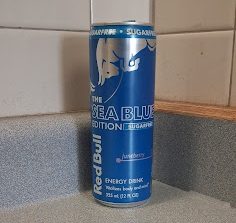
Everyday, students are drinking some sort of energy drink, such as Alani Nu, Ghost, and of course, Monster. The school store even sells Monsters during access. Although they may taste good and many students drink them, what are their negative health effects?
Energy drinks are caffeinated drinks that are supposed to help people stay awake and focus better. But what companies don’t tell you is how harmful energy drinks are.The school store should stop selling these drinks to minors due to safety and health concerns.
A study from UCLA Health states: “The current recommendation for adolescents ages 12-18 is less than 100 mg of caffeine per day, according to the American Academy of Pediatrics. Energy drinks can contain 100-200 mg of caffeine per serving.”
When teenagers drink too many energy drinks, they can have anxiety attacks, dehydration, jitters, and even some students feel nausea. In some cases, students won’t be able to sleep.
Lauren Hollis, a nurse at Arvada West High School, explains what she has seen in her office. “They [students] feel like they’re having some kind of anxiety attack or say that they can’t breathe and that they feel really weird.” Hollis adds, “They come down here and just sometimes they have to go home because they’re nauseous and sweating and have headaches.”
Besides students at school being affected by energy drinks, 911 also gets calls when someone is having severe symptoms. Mark Kriegbaum, a paramedic and engineer at Station One, shares why teenagers should not be drinking energy drinks at a young age.
“With adults, the brain and the nervous system and everything has that time to mature and develop completely to where when you’re looking at the teenagers and younger crowd, that hasn’t been able to develop completely.” Kriegbaum adds, “I think there is some correlation there with the caffeine and the energy drinks and everything that’s in those things causing developmental delays or malfunctions.”
The article The Dark Side Of Energy Drinks from the National Library of Medicine supports Kriegbaum’s statement, sharing, “Consequences of this consumption pattern [consistently drinking energy drinks] have led to a rising incidence of young individuals seeking medical attention in emergency departments due to an array of adverse health outcomes, as documented in the results section.”
Further, “Reports underscore that energy drinks have deleterious effects on a broad spectrum of bodily organs, culminating in mild adversities such as anxiety, gastrointestinal disturbances, dehydration, nervousness, and tachycardia, along with more severe outcomes like rhabdomyolysis, acute kidney injury (AKI), ventricular fibrillation, seizures, acute mania, and stroke.”
Energy drink companies need to consider teenager’s health. Instead of making smaller cans that can be healthier for teenagers, they have been making larger cans just so they can make more money. But what can teenagers do to feel more awake while not drinking harmful energy drinks? Some alternatives for caffeinated drinks are drinks like green tea and matcha, which have 35 to 70 milligrams of caffeine and are rich in antioxidants. Black coffee is also a more natural source of caffeine. However, the best way teenagers can have more energy is taking good care of themselves.
Hollis explains “ If people get enough sleep and they’re eating a good diet and they’re drinking enough water, then they just don’t need it [energy drinks].”
Some countries even have a law that consumers must be 18 or older to purchase an energy drink, highlighting the dangers of these seemingly innocent beverages. Overall, it is time high schoolers take control of their health and stop drinking harmful energy drinks.